
gold illuminated mirror
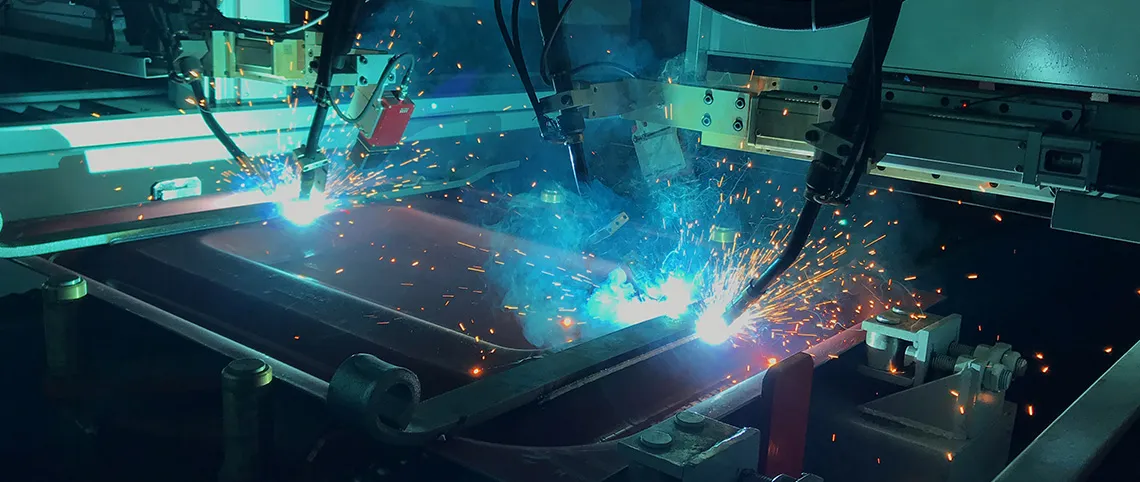
Precision 3D Welding Tables A Game Changer in Modern Fabrication In the ever-evolving landscape of manufacturing and fabrication, precision plays a critical role, especially in processes like welding. The advent of 3D welding tables has revolutionized the industry, offering unparalleled accuracy and efficiency that traditional methods simply cannot match. These innovative tables are designed to enhance productivity while ensuring high-quality welds, making them essential tools for modern fabrication shops. At the core of precision 3D welding tables lies their remarkable ability to initialize and maintain fixed reference points, which are crucial for aligning components accurately. This feature significantly reduces human error, a common issue in manual setups. By utilizing advanced computer-aided design (CAD) systems and integrated measurement tools, these tables ensure that every weld is executed with exactitude, irrespective of the operator's skill level. Precision 3D Welding Tables A Game Changer in Modern Fabrication Furthermore, the design of these tables facilitates efficient workflow. Many come with modular accessories such as clamps and fixtures that allow for quick adjustments and reconfigurations. This modularity not only saves time during the setup process but also allows for simultaneous multi-component fabrication, drastically reducing project turnaround times. precision 3d welding table In addition to their operational benefits, precision 3D welding tables also contribute to cost savings in the long run. By minimizing errors and reducing waste, manufacturers can offer competitive pricing without compromising quality. Moreover, the durability of these tables means fewer replacements and repairs, further lowering operational costs. The integration of technology into these welding tables has also paved the way for smarter manufacturing processes. With built-in sensors and automation capabilities, users can monitor welding parameters in real-time, ensuring that any discrepancies are addressed immediately. This predictive management reduces downtime and enhances overall productivity. As industries continue to adapt to the intricacies of modern manufacturing, the importance of precision in welding cannot be overstated. Precision 3D welding tables epitomize the evolution of fabrication technology, enabling a new standard of quality and efficiency. As these tools become more prevalent, the future of welding looks brighter, with potential advancements paving the way for even more innovative solutions. In conclusion, precision 3D welding tables represent a significant leap forward in the welding domain, merging technology with craftsmanship. By enhancing accuracy, efficiency, and versatility, these tables are set to lead the way in shaping the future of fabrication, ensuring that industries can meet the growing demands of an increasingly competitive marketplace.
about
gold illuminated mirror
Understanding Plug Gauges Essential Tools for Precision Engineering In the realm of precision engineering and manufacturing, ensuring the correct dimensions of machined parts is paramount. One of the critical tools employed in this process is the plug gauge. Designed for checking the internal dimensions of holes and bores, plug gauges are integral to quality control and assurance in various industries, including automotive, aerospace, and electronics. What is a Plug Gauge? A plug gauge is a cylindrical measuring device used to verify the dimensional accuracy of holes. Typically made from high-grade steel, these gauges can be classified into two primary types Go gauges and No-Go gauges. The Go gauge is slightly smaller than the specified hole diameter, ensuring that it can fit into the hole if it is within the acceptable tolerance range. Conversely, the No-Go gauge is slightly larger, designed to ensure that if it does fit, the hole is out of specification. Types of Plug Gauges 1. Plain Plug Gauges These are the simplest form of plug gauges, used for basic inspections of hole diameters. 2. Tapered Plug Gauges These gauges have a tapering design that allows them to check not only the diameter but also the conformance of the shape and size over a distance. 3. Adjustable Plug Gauges These are used when a more precise measurement is required. They can be adjusted to different sizes, offering flexibility for various dimensions. 4. Specialty Plug Gauges Custom-made plug gauges are designed for specific applications, such as checking unique hole shapes or sizes in specialized components . Importance of Plug Gauges plug gauge The accuracy and precision of products depend significantly on the effectiveness of the measurement tools used during the manufacturing process. Plug gauges play a vital role in ensuring that parts fit together as intended, which is especially important in assemblies where multiple components are combined. If parts do not meet specified tolerances, it can lead to assembly issues, increased production costs, and even failures in the final product. Moreover, the use of plug gauges contributes significantly to the efficiency of the manufacturing process. By implementing these gauges, manufacturers can conduct quick inspections of parts, minimizing downtime and streamlining production. This efficiency is crucial in today’s fast-paced manufacturing environment, where speed and accuracy directly impact competitiveness in the market. How to Use Plug Gauges Using a plug gauge effectively requires a clear understanding of tolerances and specifications. Operators must first verify that the gauge is calibrated and in good condition. The process generally includes the following steps 1. Insert the Go Gauge The operator places the Go gauge into the hole. If it fits, it indicates that the hole is within the minimum allowable size. 2. Insert the No-Go Gauge Next, the No-Go gauge is inserted. If the No-Go gauge fits, it signals that the hole exceeds its maximum allowable size, which means it is out of tolerance. 3. Record Measurements Any discrepancies found during the measurement process should be recorded for quality assurance tests, enabling manufacturers to address issues promptly. 4. Routine Maintenance Regular calibration and maintenance of plug gauges ensure their accuracy and prolong their lifespan. Conclusion Plug gauges are indispensable tools in precision manufacturing, playing a crucial role in quality control and assurance. Their straightforward design and functionality make them reliable instruments for ensuring that parts meet specified tolerances. The use of plug gauges not only enhances the accuracy of measurements but also promotes operational efficiency in the manufacturing process. As industries continue to evolve and demand higher precision, the importance of plug gauges in maintaining quality standards will undoubtedly grow. By investing in proper usage and maintenance of these tools, manufacturers can ensure the longevity and performance of their products in a competitive marketplace.
-

High quality industrial productsagement

High quality industrial products
View Details -

Meet the diverse needs of customers

Meet the diverse needs of customers
View Details -

Strict quality control

Strict quality control
View Details -

Top raw materials

Top raw materials
View Details -

Trusted supplier

Trusted supplier
View Details
Our application


news and information
Van cổng 6 inch giá
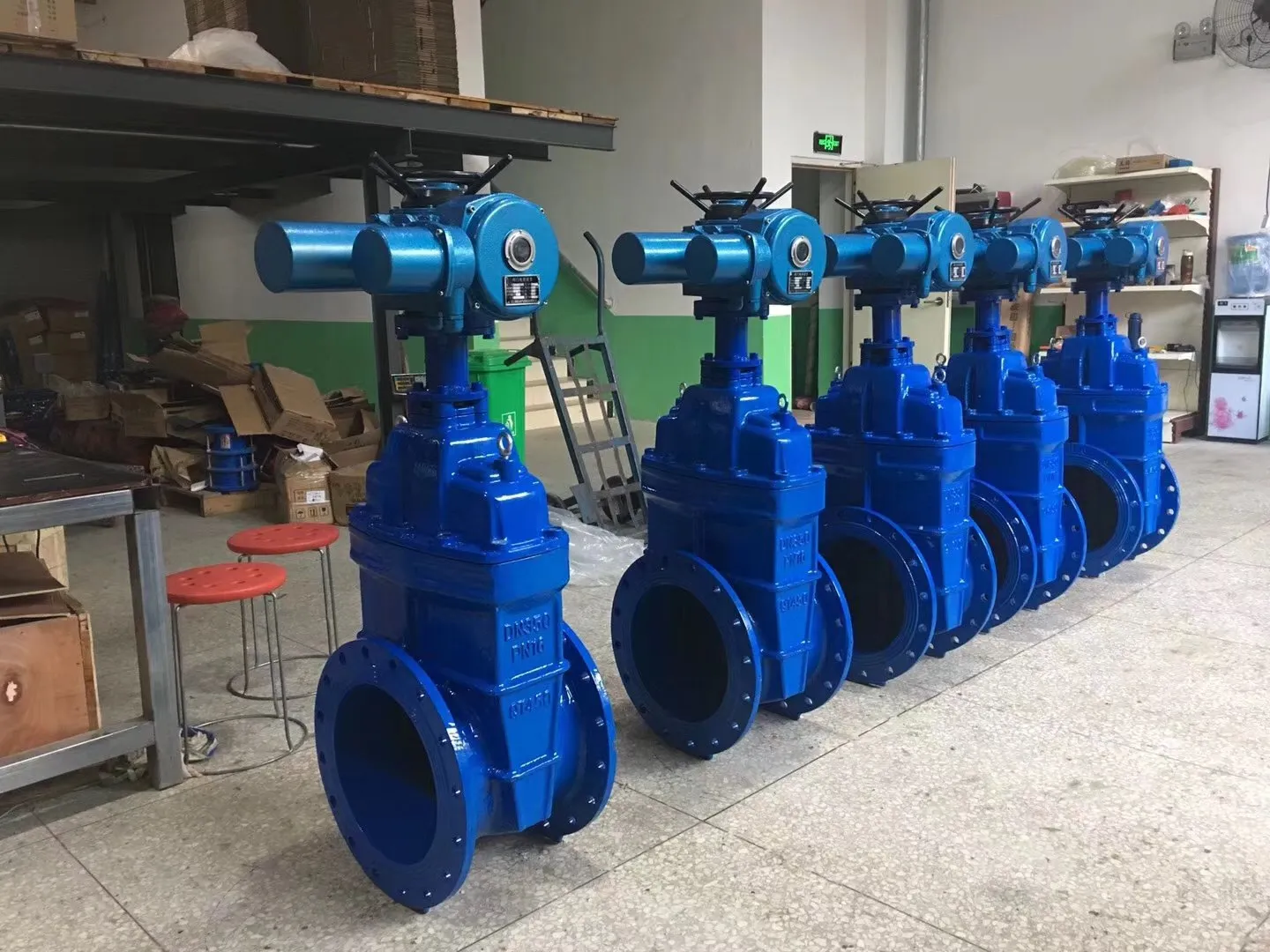
Giá van cổng 6 inch Một số thông tin cần biết Van cổng là một trong những thiết bị quan trọng trong

Various Types and Functions of Water Control Valves Explained
Understanding Types of Water Control Valves Water control valves are critical components in plumbing
Versatile Clamps for Welding Tables to Enhance Your Fabrication Projects
welding table clamps 5 8
 English